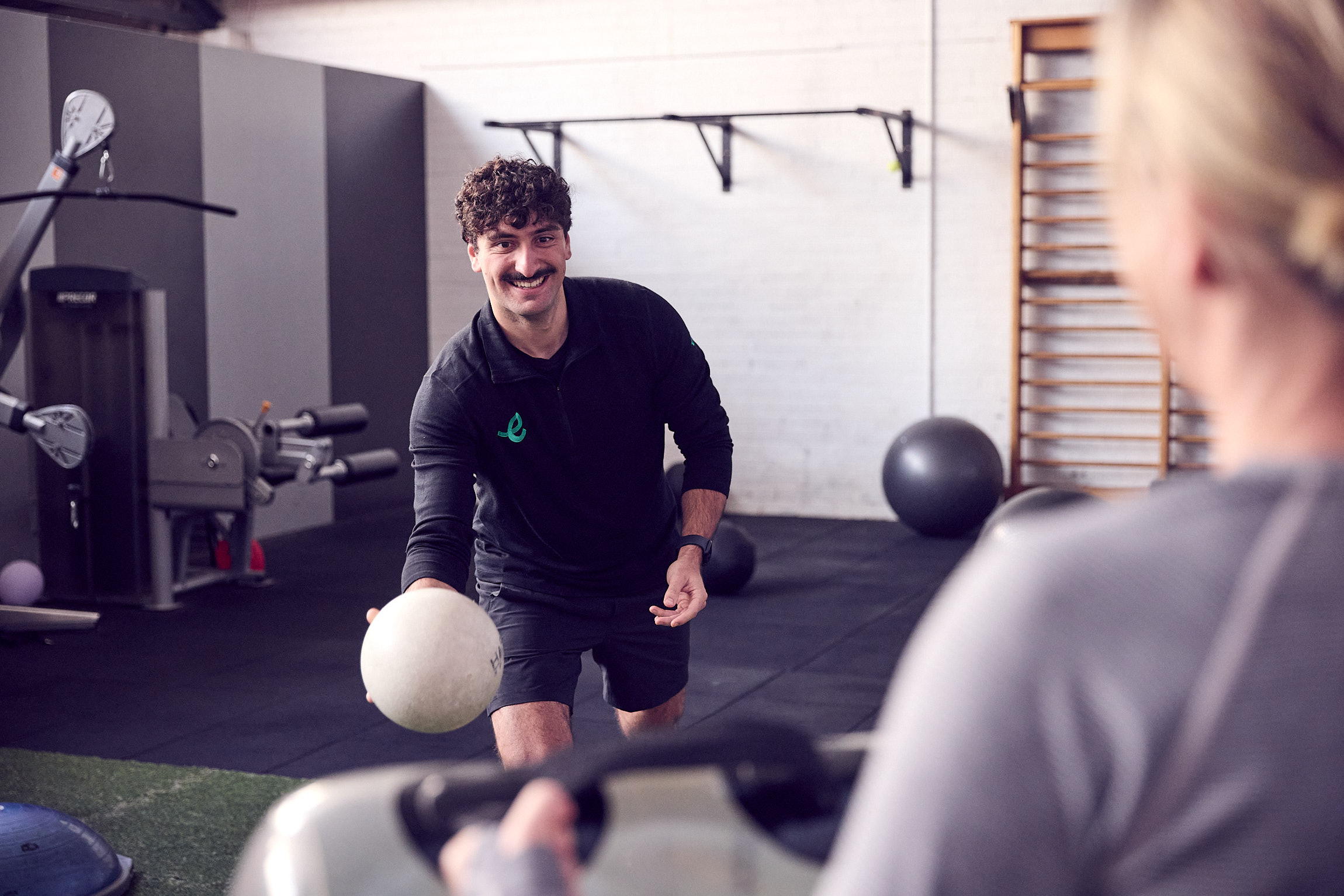



Muscle: Why Strength Training is the Underestimated Key to Lifelong Health
The Growing Importance of Strength Training
The exponential rise of our aging population, the pandemic, and the explosion of GLP-1 medications have made muscle health a critical topic in today’s health conversations. Yet, despite the overwhelming evidence supporting the benefits of strength training, many doctors still aren’t discussing resistance training or protein intake with their patients.
Terms like “muscle span” and “strength span” are creeping into the vernacular for a reason — they represent a growing body of research highlighting the protective benefits of maintaining muscle mass throughout your life.
The latest research points to the importance of muscle, both as a functional organ and as a metabolic organ; hence muscle depletion is an accurate independent predictor of poor health outcomes.
Despite this, Currently, only about 15-20% of Australian adults meet the national guidelines of two strength training sessions per week, according to recent surveys (Australian Bureau of Statistics, AusPlay data). So, let’s dive into why muscle matters—not just for looking good, but for long-term health and vitality.
—
Why Muscle Mass Matters More Than You Think
Skeletal muscle is the largest organ in the body by mass, making up 30%-50% of total body weight depending on age, sex, and fitness level. Beyond movement, muscle plays a crucial role in:
– Glucose metabolism (regulating 75% of insulin-mediated glucose disposal)
– Metabolic health (reducing the risk of type 2 diabetes)
– Daily calorie burn (muscle significantly impacts resting energy expenditure)
The Metabolic Power of Muscle
A muscular young man may burn 485 calories per day from muscle metabolism, while an elderly woman might burn just 120 calories—a 365-calorie difference. Even a 10 kg increase in lean mass can lead to burning 100 more calories daily, which adds up to 5+ kilos of fat loss per year.
The Consequences of Muscle Loss
After age 30, muscle mass declines by:
– 0.5% per year in your 40s
– 1-2% per year after 50
– 3% per year after 60
This loss, known as sarcopenia, leads to:
– Increased frailty and fall risk
– Longer hospital stays and slower recovery from illness
– Higher mortality rates in chronic diseases (cancer, liver disease, etc.)
Researchers have long warned that survival is shorter for people with low muscle mass across the continuum of care.
—
How Strength Training Protects Your Health
While cardio gets most of the attention, resistance training offers unique benefits:
✅ Boosts mitochondrial health (key for energy and longevity)
✅ Strengthens bones (reducing osteoporosis and fracture risk)
✅ Reduces inflammation (lowering risk of heart disease, arthritis, and Alzheimer’s)
✅ Improves cardiovascular health (studies show it may be safer than cardio for older adults with heart conditions)
Resistance training is one of the most important interventions you can do for overall health
It’s Never Too Late to Start
Even older adults in their 90s can see significant muscle gains in just 8-12 weeks of training.
The key? Start now—because the sooner you build muscle, the better your long-term health outcomes.
—
How to Incorporate Strength Training Into Your Life
1. Lift weights 2-3x per week (the heavier the better, but even light weights work if pushed to near failure)
2. Eat enough protein (aim for 1.6g per kilo of body weight)
3. Monitor progress (grip strength tests, mobility checks, or body composition scans)
4. Consult an Exercise Physiologist to help design a safe program that meets your needs
Final Thought
Muscle isn’t just about strength—it’s about survival, independence, and quality of life. The best time to start strength training was years ago. The second-best time? Today.
—
Ready to build a stronger, healthier future? Make an appointment with one of our Exceptional Exercise Physiologists today 💪
Have you discussed muscle health with your doctor? Share your thoughts in the comments!
—