


The Complex Nature of Pain
Pain is a universal human experience, yet how we feel it—and how long it lasts—varies dramatically. For some, pain is temporary, fading as injuries heal. For others, it lingers indefinitely, becoming a chronic and debilitating condition. Scientists are now uncovering why this happens, revealing surprising mechanisms in how our nervous system processes pain.
How the Body Processes Pain
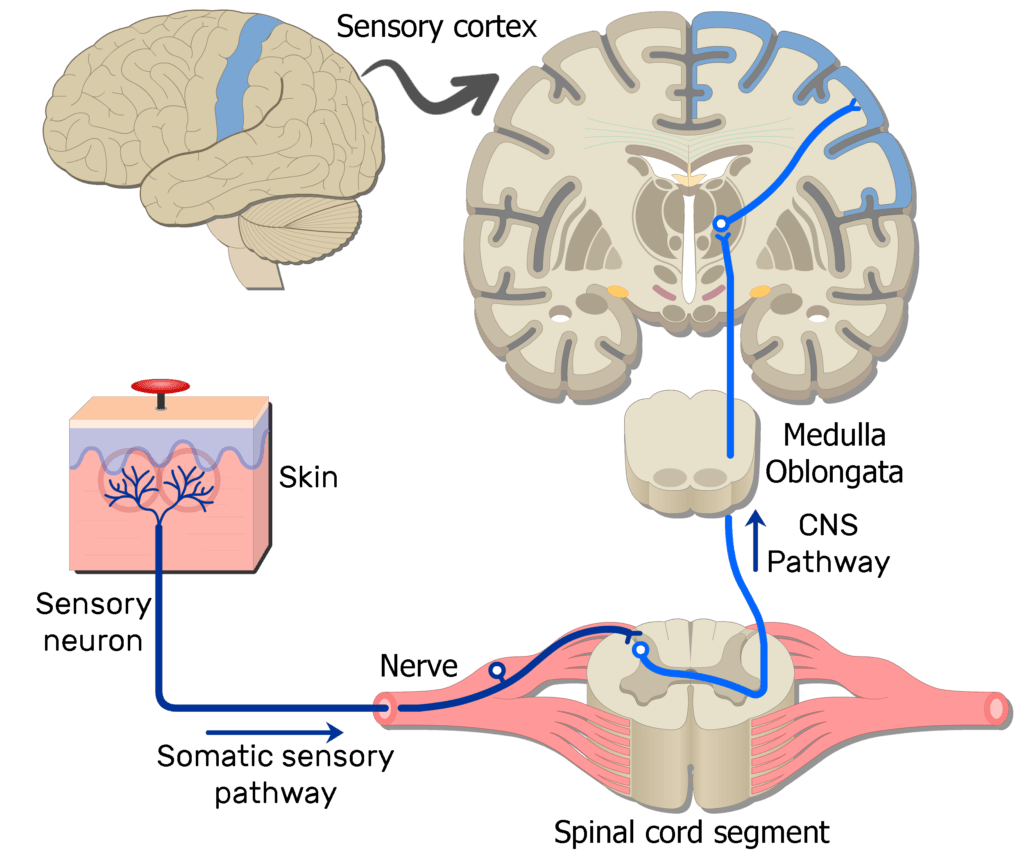
Pain perception relies on a sophisticated network of nerves called the **pain neuroaxis**, which includes:
– Peripheral nerves (outside the brain and spinal cord)
– Central neurons (in the brain, brainstem, and spinal cord)
When you feel pain, these neurons send signals to the brain, where multiple regions interpret them. While acute pain serves as a protective warning system, chronic pain often persists without purpose, indicating a dysfunction in pain processing.
A Surprising “Volume Control” for Pain
New research published in Science Advances challenges the long-held belief that pain is solely caused by increased nerve activity. Instead, scientists found that the balance between activation and suppression in certain neurons determines pain perception.
Key Findings from the Study
Researchers focused on projection neurons in the brainstem’s medullary dorsal horn, which relay pain signals to emotion-processing brain regions. Using mice, they studied two types of pain:
1. Acute pain – Triggered by UV light exposure (similar to eye discomfort at an optometrist).
2. Chronic pain – Mimicked by nerve compression (resembling migraine-like pain).
Surprisingly, during acute pain, these neurons became less excitable, acting like a “volume control” that reduced pain signals. Once the pain subsided, neuron activity returned to normal.
However, in chronic pain, this protective suppression disappeared. Neurons remained hyperactive, suggesting a malfunction in the body’s natural pain-regulation system.
Why This Matters
This discovery reveals a ‘built-in braking mechanism’ for acute pain that may fail in chronic pain sufferers. If scientists can restore this function, it could lead to better treatments.
The Challenges of Chronic Pain Treatment
While promising, translating these findings into human treatments remains complex. Key hurdles include:
– Identifying the exact potassium channel responsible for regulating pain signals.
– Confirming the mechanism in humans, as current studies used male mice (female mice showed different responses).
– Developing targeted therapies that block excessive pain without causing side effects like addiction.
The Future of Pain Management
Experts believe future treatments may need to be personalized, depending on:
– The type of pain (acute vs. chronic).
– Individual differences in pain processing.
– Biological sex, as men and women experience pain differently.
Conclusion: A New Path for Pain Research
This research opens a promising avenue for understanding—and potentially treating—chronic pain. By uncovering how neurons regulate pain signals, scientists may one day develop therapies that restore the body’s natural pain-control mechanisms.
For now, the key takeaway is clear: Pain is not just about intensity—it’s about how the brain and nerves regulate it. Future breakthroughs could help millions suffering from persistent pain regain their quality of life.
—
When to Seek Therapy or a professional
While this information may be useful, there are times when professional treatment is necessary. If your pain persists beyond a few days, worsens, or is accompanied by other symptoms like numbness, tingling, or difficulty walking, it’s time to seek the advice of a healthcare professional.
An Exercise Physiologist can provide targeted exercises and self-mobilisation strategies to address the root cause of your pain, while a physician can assess for more serious underlying conditions like herniated discs or nerve impingement.
If you would like to receive a more detailed ‘playbook’ regarding proven strategies to manage Persistent or Chronic Pain, please email us at admin@theepgroup.com.au or give us a call on (03) 9029 5590.