


Beyond the Scales: How Diet Quality Can Reduce Chronic Pain
For many individuals living with obesity, chronic pain (musculoskeletal) is a daily reality, often driven by joint stress and systemic inflammation. While weight management is a common recommendation, new research suggests the conversation needs to shift from simply “losing pounds” to actively improving what’s on the plate.
A recent study published in the European Journal of Nutrition reveals a powerful connection between diet quality and pain relief. Over a three-month period, participants who were overweight or obese followed a structured dietary intervention. The results were striking: the presence of chronic musculoskeletal pain was cut in half, dropping from 50% to 24% of participants. Notably, researchers say this significant pain reduction occurred independently of changes in body fat, highlighting that the type of food consumed is critically important.
The Anti-Inflammatory Link to Improving Chronic Pain Symptoms
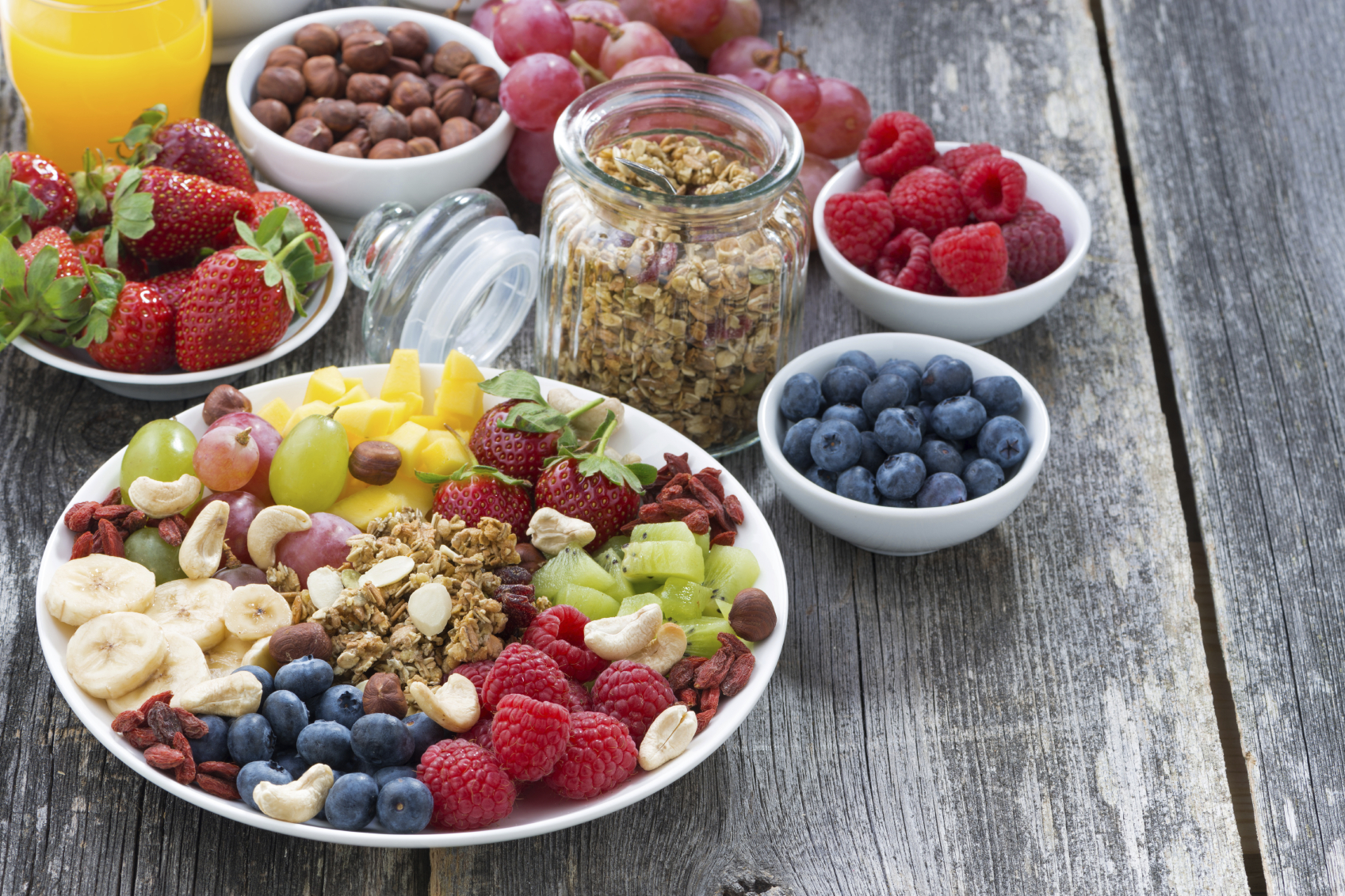
So, how does food affect pain? Researchers explain that a high-quality diet, rich in fruits, vegetables, whole grains, and lean proteins, tends to be abundant in anti-inflammatory nutrients. Conversely, it limits pro-inflammatory foods like refined carbohydrates, saturated fats, and added sugars. This nutritional shift is believed to reduce the chronic, low-grade inflammation in the body that contributes to pain sensations.
Experts in pain management agree, noting that diets high in processed foods can alter the gut microbiome and immune system, creating more inflammation that worsens chronic pain.
Addressing Hidden Deficiencies that Might Contribute to Chronic Pain
Diet quality is a major piece of the puzzle, but clinicians are also advised to consider potential micronutrient deficiencies. Studies have shown that individuals with severe pain sometimes have lower levels of key nutrients like Vitamin D, B12, and magnesium. When standard treatments aren’t providing full relief, screening for these deficiencies can open another pathway for care. Correcting imbalances through targeted dietary changes or specific supplements can work synergistically with other pain therapies.
What Does a Chronic Pain-Relief Diet Look Like?
There is no single “best” diet, but patterns that consistently show benefit are anti-inflammatory. The Mediterranean diet is often cited as an ideal model, emphasizing whole foods like fruits, vegetables, extra virgin olive oil, whole grains, and nuts while limiting processed items.
For patients, the idea of a complete dietary overhaul can be overwhelming. Experts stress the importance of starting small. Swapping a processed snack for a piece of fruit, choosing a whole grain over a refined one, or adding one new vegetable to dinner are all manageable steps. The key message for patients is that these dietary improvements can ease pain and enhance quality of life, even if the number on the scale doesn’t change dramatically.
While Exercise Physiologist are not Dieticians, we can be good sounding boards and can refer you on to a quality dietician if required
If you want to see an Exercise Physiologist that understands your condition, our practitioners are here to help. We will take you through the process of:
-
Education: Knowing more about what is going to help can be the tipping point between feeling more empowered rather than discouraged.
-
Set Achievable Goals: Help you identify small, achievable changes that will have an impact. You design your plan with our guidance.
-
Engage Your Support System: Help you communicate to family members or caregivers about how they can help (eg. helping you prepare healthy, anti-inflammatory meals)
-
Provide Resources: We can point you int the direction of trusted websites that provide tips and trick on how to responsibly change your diet to be anti-inflammatory.
By focusing on nourishing the body with high-quality foods, you have a powerful, proactive tool for managing chronic pain and improving overall well-being.
If you would like to receive a more detailed ‘playbook’ regarding proven strategies to manage Low Back Pain, please email us at admin@theepgroup.com.au or give us a call on (03) 9029 5590.
You can also conveniently book in to see one of our Exercise Physiologists by CLICKING HERE