

What Happens to Your Brain When You Exercise
We all know exercise is good for the body. But what about the organ that controls everything—your brain?
While it’s becoming more common knowledge that physical activity supports mental health, the sheer scale of the benefits is still surprising to most people. Scientists have uncovered a remarkable cascade of effects that exercise triggers inside your skull. And understanding those effects might be the very thing that finally gets you off the couch.
Exercise is Better Than Medication for your brain?
Researchers have finally started describing regular physical activity as a form of medicine. In fact, experts have reported that current dementia drugs are far from magic cures. When you compare clinical trial data, exercise consistently outperforms anti-amyloid plaque medications—often doubling the cognitive improvements seen with pharmaceuticals.
The mental health benefits are just as striking. A large 2023 review that looked at nearly 130,000 people found that getting active was 1.5 times more effective than either counseling or medication for treating certain mental health conditions. Scientists now believe that for clinical depression and anxiety, regular movement may be even more powerful than standard drug treatments.
Beyond specific conditions, the evidence keeps building: brain volume, memory function, neuroplasticity, and overall cognitive ability all seem to thrive when we move our bodies regularly.
Your Brain Actually Gets Bigger
One of the landmark studies in this field, published back in 2006, followed 59 older adults over six months. The results were striking. Participants who improved their aerobic fitness showed measurable increases in both grey matter (the neuron-rich tissue) and white matter (the brain’s internal wiring). Meanwhile, a control group that only did light stretching and toning saw no such growth. The lesson? Intensity matters.
Since then, multiple studies have confirmed the same pattern. Regular aerobic activity doesn’t just slow down brain aging—it appears to reverse some of it.
Reshaping Key Memory Centers in the brain
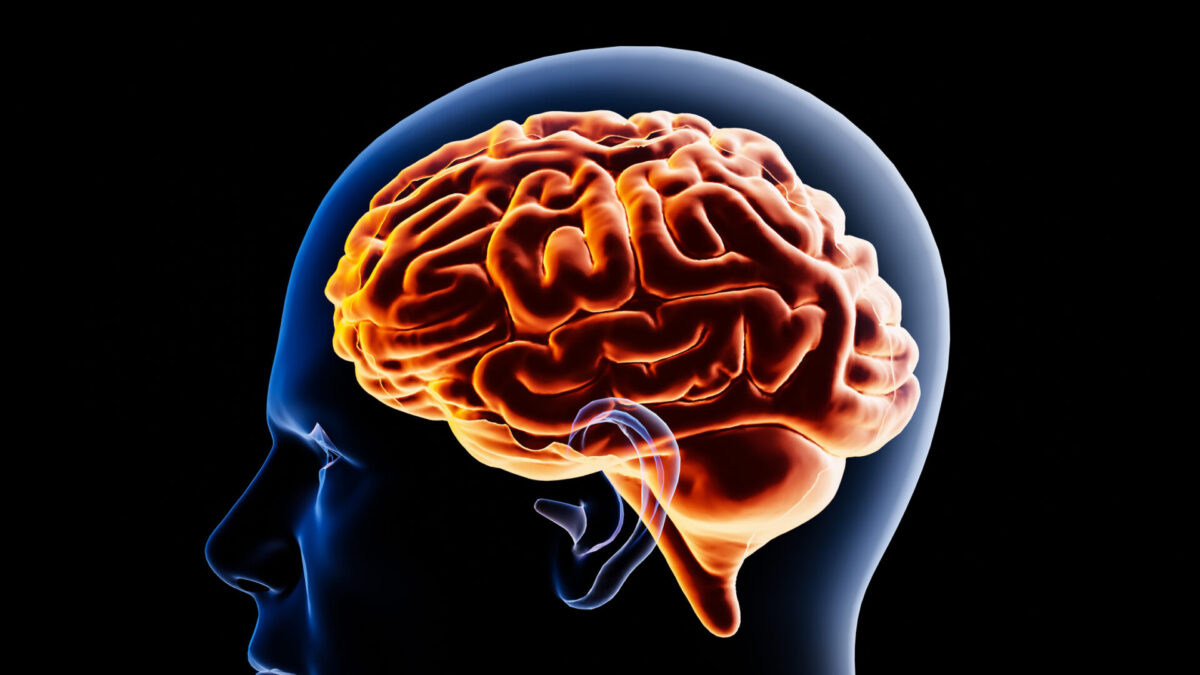
The hippocampus, a seahorse-shaped structure deep inside your brain, is essential for forming new memories. It also tends to shrink as the years go by. But researchers have found that exercise can actually increase its volume. There’s even evidence that highly active people have larger brains relative to their head size compared to sedentary individuals.
Physical activity also strengthens the connections between the hippocampus and other critical regions, including the prefrontal cortex (which handles emotional control and planning) and the posterior cingulate cortex (involved in attention and goal setting).
Helping Brain Networks Talk to Each Other
It’s not just individual brain structures that benefit. Several large-scale neural networks show improved communication when you exercise regularly. These include the central executive network, the default mode network (DMN), and the salience network.
Scientists have explained that these circuits help integrate information from the front of the brain to the back. They support high-level functions like multitasking, rapid decision-making, working memory, and even recalling someone’s name.
A study from June 2025 added a fascinating twist. Researchers found that people with better cardiorespiratory fitness had stronger connections in all three networks. The link was especially pronounced in individuals with more depressive symptoms, suggesting that this brain-network effect might help explain why exercise improves mental health as well as cognitive function.
The Chemical Connection inside the brain
Your brain also releases a cocktail of protective chemicals during and after exercise. Two of the most important are brain-derived neurotrophic factor (BDNF) and insulin-like growth factor (IGF). Scientists are even studying whether exercise can reduce levels of beta-amyloid and tau—two proteins strongly linked to Alzheimer’s risk. Unlike drugs that target these proteins (and come with serious side effects like brain bleeding), exercise appears to do so naturally and safely.
Intensity matters here too. A small 2023 study found that short, intense bursts of activity boosted BDNF levels four to five times more than light exercise.
There is a catch, though. Researchers note that BDNF is typically measured in the blood, but its actual work happens inside the brain. For obvious reasons, scientists can’t simply cut open healthy human brains to see what’s happening. So while BDNF and IGF clearly matter for neuron health, the exact relationship between blood levels and brain activity is still being studied.
Strong Muscles, Strong Mind?
Most research has focused on aerobic exercise—walking, running, cycling. But resistance training is finally getting its due attention.
Scientists have found both similarities and differences between how aerobic and strength training affect the brain. Early evidence suggests a fascinating link: what helps your muscles grow may also help your hippocampus grow. People with more muscle mass tend to have greater hippocampal volume.
One 2017 study on older adults with mild cognitive impairment drove the point home. After six months of weight training, participants gained muscle strength—and that strength gain explained a whopping 64% of the improvements in their cognitive test scores. In other words, the people who got the strongest also got the sharpest. That doesn’t mean building muscle directly makes you smarter. Rather, the same underlying biological factors that allow a person to respond well to strength training also seem to benefit the brain.
Other research has shown that resistance training can actually enlarge the posterior cingulate cortex, leading to cognitive gains. Gray matter expanded, and signs of cerebral vascular disease risk reversed. Even better, these benefits stuck around for at least a full year after participants stopped training.
And here’s another surprise: while the hippocampus didn’t grow immediately in one strength-training study, it did show delayed protection. Twelve months later, the people who had lifted weights had significantly less hippocampal shrinkage than those who did gentle exercise or brain-training games.
So, What’s the Right Dose?
The “optimal” amount of exercise depends on you—your age, your fitness level, and whether you have any existing health conditions. The dose needed to lift depression might not be the same as the dose needed to sharpen memory.
That said, most researchers agree that the standard public health guidelines are a solid starting point: at least 150 minutes of moderate-intensity aerobic activity per week, plus two days of muscle-strengthening work. Older adults can and should follow these guidelines too, as long as they get a doctor’s okay.
Some evidence suggests that practices like Tai Chi may also help cognition. But scientists emphasize that more rigorous research is needed before drawing firm conclusions about the “best” type of exercise.
What is clear is that intensity drives results. Studies routinely compare a gentle “sham” exercise group (think light stretching) with a group doing vigorous aerobic or resistance work—and the higher-intensity group always sees the brain benefits. That doesn’t mean you need to do all-out sprints or lift dangerously heavy weights. But it does mean that very low-effort activities, like casual stretching, won’t change your brain much because they don’t improve your aerobic capacity or muscle strength.
As researchers have put it, the kind of exercise that gives you the best fitness outcomes is almost certainly the same kind that gives you the best brain outcomes. So find something you enjoy, push yourself a little, and know that every drop of sweat is doing something extraordinary for the three-pound universe between your ears.
When to Seek Therapy or a professional
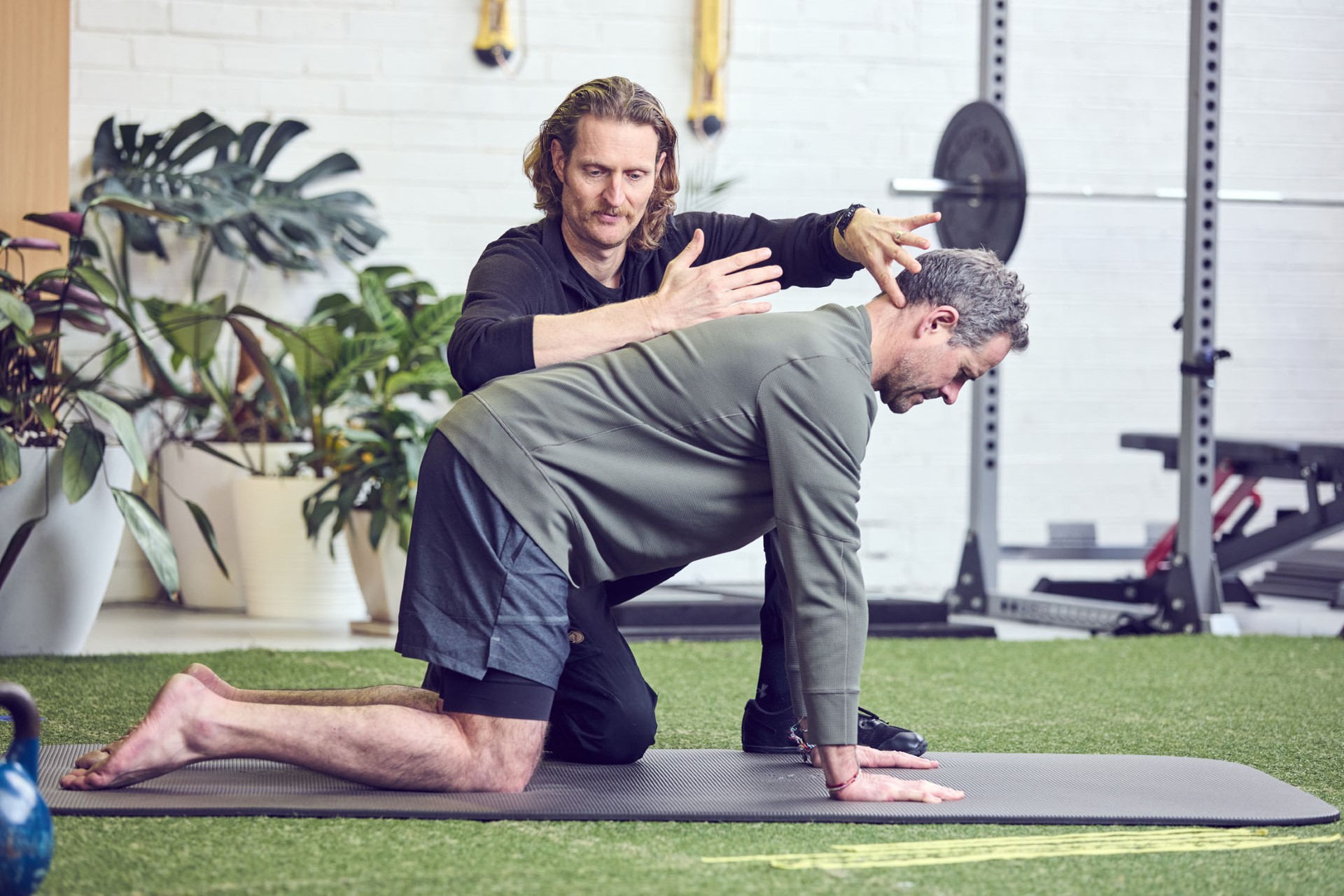
While this information may be useful, there are times when professional treatment is necessary. An Exercise Physiologist can provide a targeted plan to optimise the brain benefits of exercise for you in your specific circumstances.
If you would like to speak to an Exercise Physiologist to find out more, please email us at admin@theepgroup.com.au or give us a call on (03) 9029 5590.