


The Hidden Link Between Sleep Quality and Heart Health
Why Sleep is Measured by More Than Just Duration
For centuries, thinkers from the Dalai Lama to Benjamin Franklin have recognised sleep as a cornerstone of wellbeing. Modern medicine confirms this wisdom, with numerous studies connecting insufficient sleep to serious health consequences like obesity, type 2 diabetes, and stroke.
While sleep duration remains important, emerging research reveals that cardiologists need to consider a more comprehensive picture of sleep health. The quality, consistency, and timing of sleep may be just as crucial as the number of hours spent resting each night.
The Multidimensional Nature of Sleep Health
Cardiology experts emphasize that sleep affects multiple aspects of cardiovascular health:
– Blood pressure regulation
– Cholesterol management
– Weight maintenance
– Cardiac structure and function
Recent studies have uncovered fascinating connections between sleep patterns and heart health. Research from 2023 showed that self-described ‘night owls’ displayed signs of potentially harmful cardiac remodeling compared to early risers. Another concerning finding revealed that adolescents with shorter sleep duration already showed markers of adverse heart and liver changes.
The MESA Sleep Ancillary study provided further evidence, demonstrating that irregular sleep patterns correlate with increased coronary artery calcium buildup—a known risk factor for heart disease.
Expanding Our Understanding of Sleep Health
In response to this growing body of research, the AHA recently published an updated scientific statement advocating for a broader definition of sleep health. This multidimensional approach considers:
1. Duration: The total hours of sleep
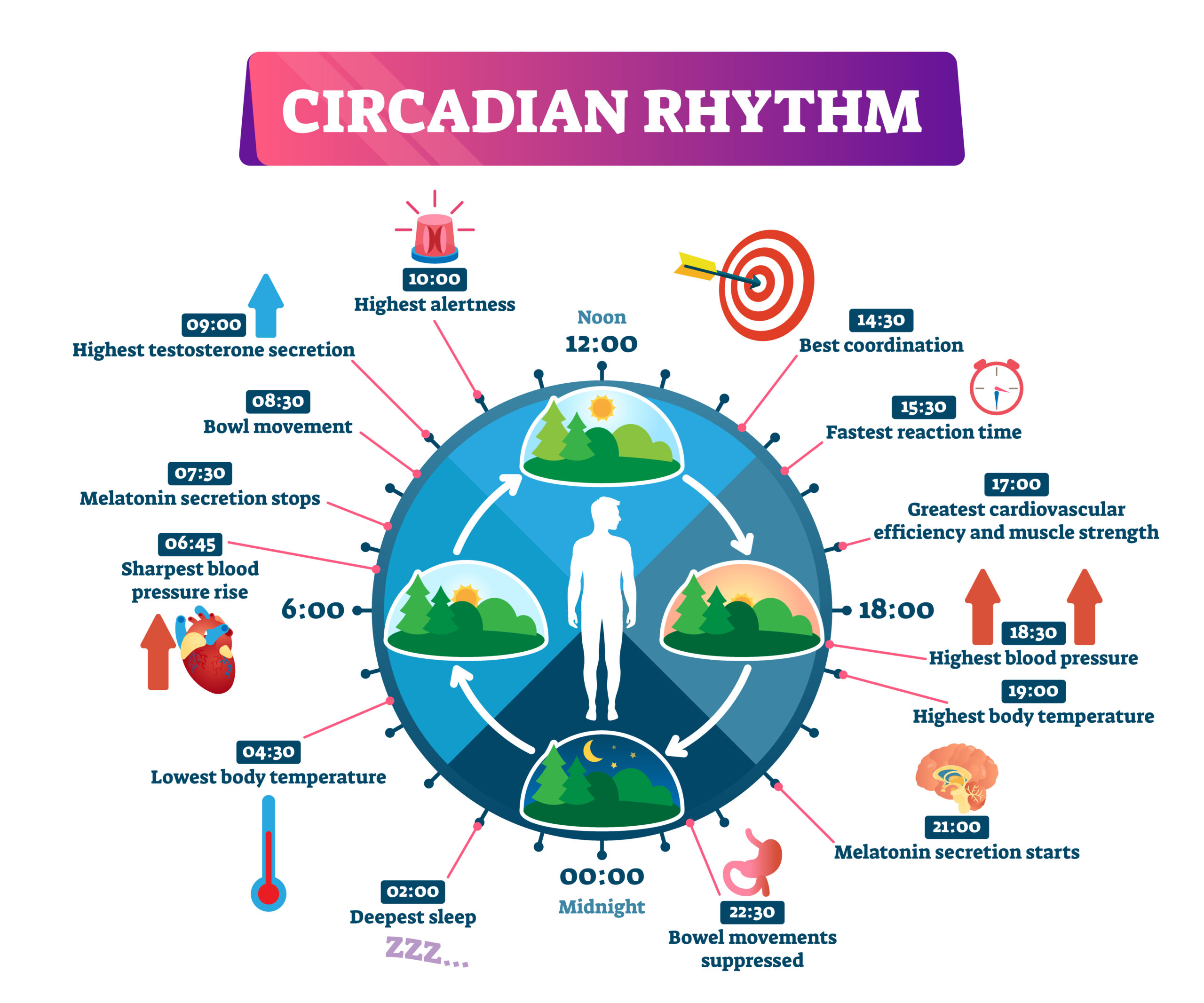
2. Timing: When sleep occurs within the 24-hour cycle
3. Regularity: Consistency of sleep patterns
4. Daytime functioning: Alertness and energy levels
5. Satisfaction: Personal perception of sleep quality
6. Continuity: Ability to fall and stay asleep
7. Sleep architecture: The structure and timing of sleep stages
Sleep researchers explain that this comprehensive framework reflects our evolving understanding of sleep’s impact on health. Excessive daytime sleepiness and sleep disturbances, for instance, have been linked to cardiovascular disease, stroke, and even early mortality.
How Poor Sleep Affects the Body
Scientific investigations have begun uncovering the mechanisms behind sleep’s cardiovascular effects:
– Sleep restriction increases oxidative stress in arterial lining
– Short sleep impairs the body’s antioxidant defenses
– Poor sleep duration and quality suppress immune function
– Irregular sleep patterns disrupt healthy eating behaviors
These physiological changes may explain the observed connections between poor sleep and conditions like hypertension, arterial stiffness, and coronary heart disease.
The Path Forward: Improving Sleep Health Awareness
While significant knowledge gaps remain, experts agree that healthcare providers should start discussing sleep health with patients now. Simple open-ended questions like “How’s your sleep?” can reveal important information about sleep quality issues that might otherwise go unnoticed.
Cardiologists emphasize that addressing sleep health presents a valuable opportunity to modify cardiovascular risk factors. Though more complex than managing cholesterol or blood pressure, improving sleep could offer substantial benefits for heart health.
As research continues, the medical community is working to develop better assessment tools and interventions targeting all aspects of sleep health. For now, raising awareness about the importance of quality sleep—not just quantity—represents an important first step toward better heart health for all.
If you would like to receive a more detailed ‘playbook’ regarding proven strategies to better manage your sleep, please email us at admin@theepgroup.com.au or give us a call on (03) 9029 5590.